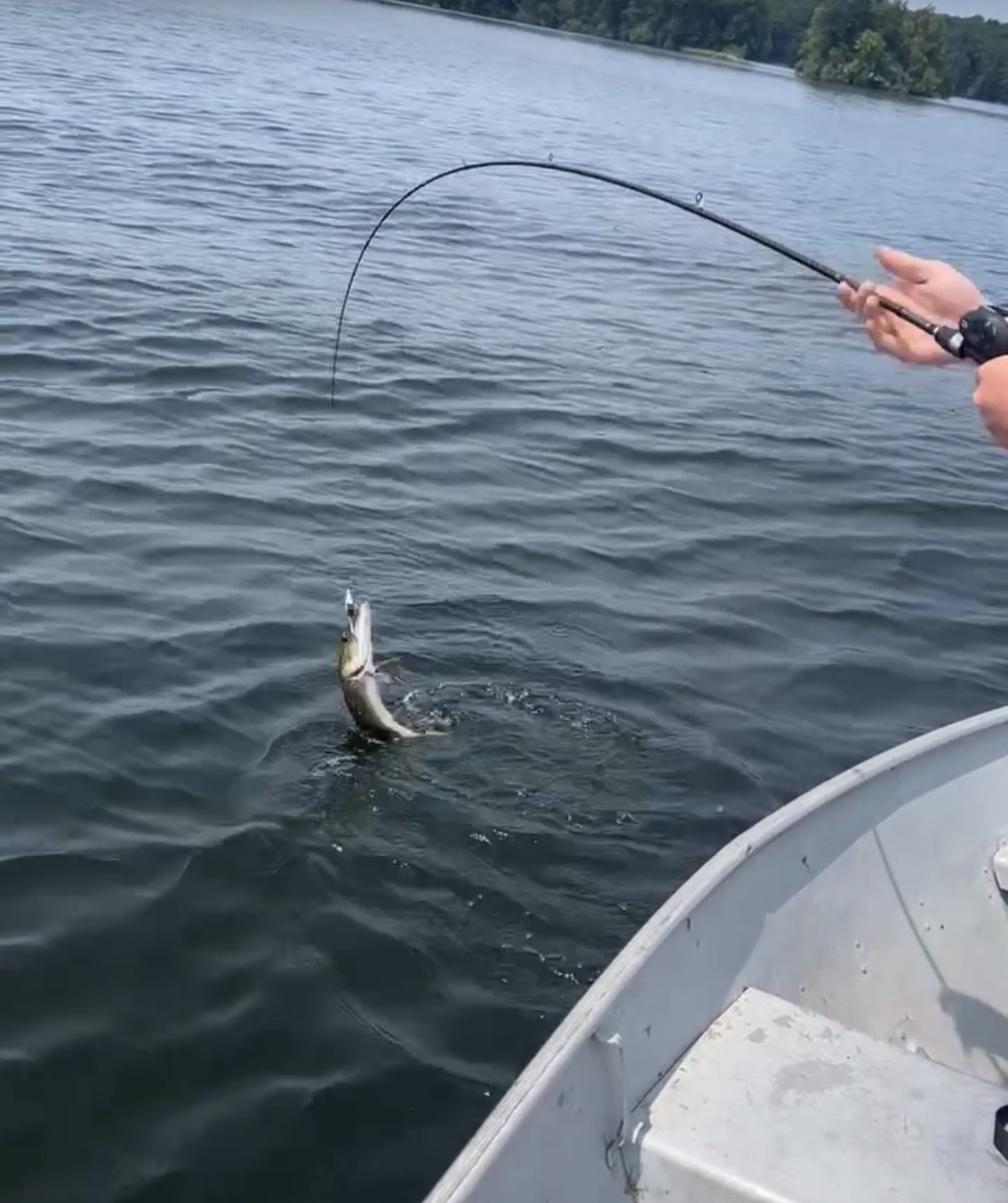
Every fall, Michigan’s rivers turn into highways and Salmon return to spawn. Salmon that have spent years growing in the open waters of Lake Michigan suddenly turn upstream, driven by instinct to return to the very rivers where they were born. This migration, called the salmon run, it is one of nature’s most powerful cycles — a journey of life and death for these beautiful animals.
The most common species making this trek are Chinook (King) salmon and Coho salmon. These fish can reach over 20 pounds, and when hundreds of them stack in the rivers, the water churns with energy. Unlike many fish, salmon don’t just spawn and keep living; after fighting their way upstream, they lay and fertilize their eggs, and then most die — leaving behind nutrients that feed the river ecosystem and the next generation of fish. Fun fact along the way Salmon tends to eat other species of fish eggs like trout so they’re offspring have a better chance of survival.
The salmon run is more than just a migration, it’s their start and end to their life cycle. For Michigan anglers and nature lovers, witnessing this moment is like watching a natural life cycle unfold right in our backyard.
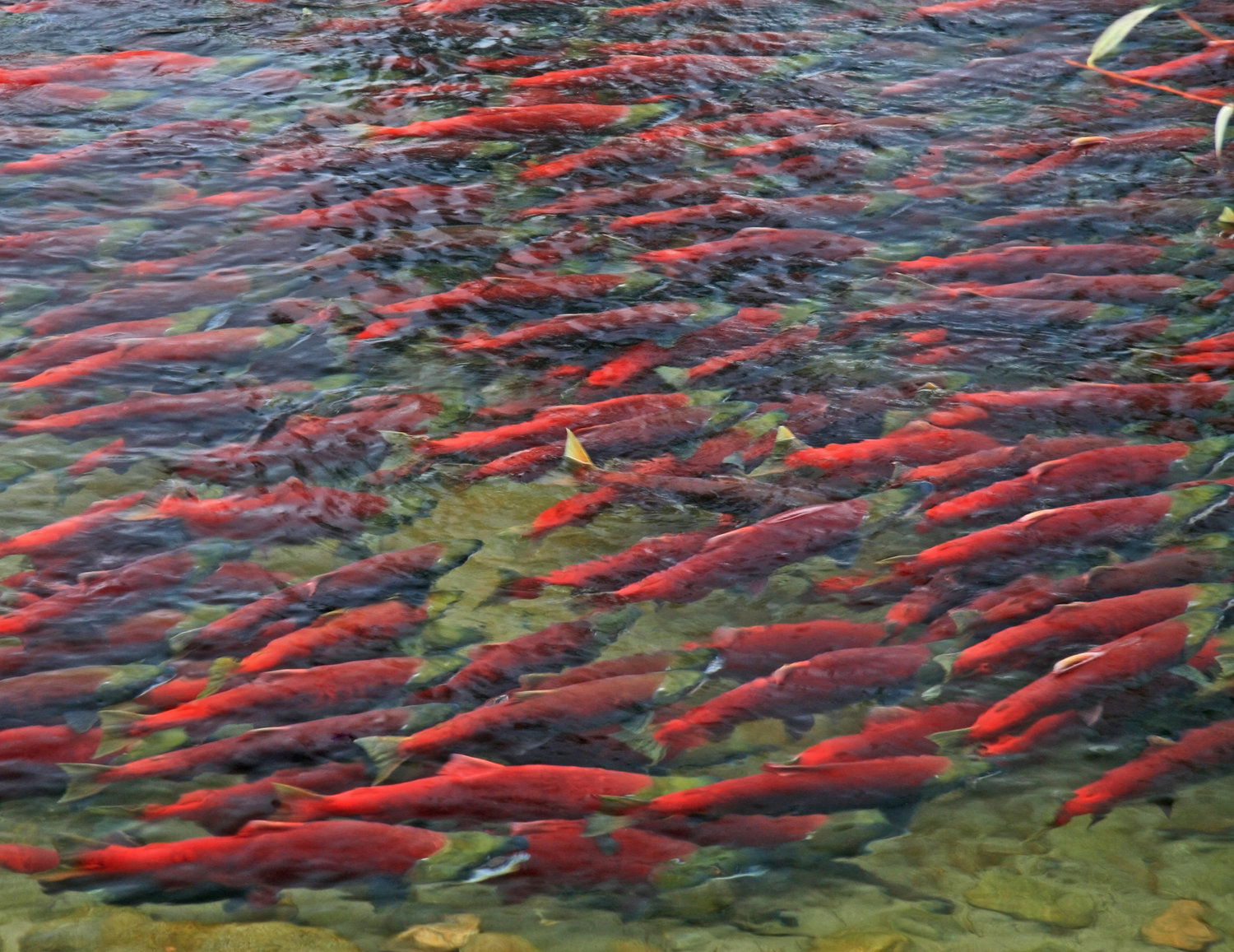
https://www.thenorthernlight.com/stories/adams-river-sockeye-run-travel-4-hours-to-a-once-every-4-years-phenomenon,21235
Peak Timing:
The best time to catch these beautiful fish is from September through early October, though timing depends on the river. In Michigan, four rivers stand out as hotspots for the salmon run: the Muskegon River, Pere Marquette, Manistee, and Betsie.
If you just want to witness this annual migration, dams are some of the best viewing spots. The Croton Dam on the Muskegon River is a prime example, where salmon gather and leap as they push upstream. It’s a front-row seat to one of nature’s most impressive shows.
For anglers hoping to land one of these giants, location and timing are everything. River mouths around dawn or dusk, deep pools below rapids, and structures along the river are some of the best places to target salmon. Patience and persistence pay off — when the run is on, the action can be unforgettable. If you are planning on fishing more remote areas on the river be aware of black bears since they are often seen at salmon runs for an easy meal. Although encounters are rare it is always a good idea to stay alert and travel with a buddy.
Proper Gear and Respect:
Chasing salmon during the run means showing up prepared. These aren’t small fish — a Chinook can weigh over 20 pounds and a Chinhook fight can take a half an hour. To handle that power, I recommend anglers use medium-heavy rods paired with sturdy reels and 15–20 lb test line. Many also rig with spawn sacs, spinners, or flashy spoons to tempt salmon into striking. Having the right setup doesn’t just make the fight more exciting — it prevents snapped lines, lost fish, and unnecessary stress on the animal. I’m sporting a 17 lb baitcaster with 15 lb line, paired to a Daiwa reel. My rod handles 1/4–3/4 oz lures, which is perfect for tossing spinners and crankbaits into fast water.
But salmon fishing isn’t only about gear — it’s about respect. Most of these fish will die after spawning, yet they still deserve to be treated with care. Know Michigan’s regulations, take only what you plan to keep, and release the rest responsibly. Respect also extends to the river itself: avoid trampling spawning beds, picking up your trash, and remember you’re sharing the water with wildlife and other anglers.
The salmon run is one of Michigan’s most intense outdoor experiences. When anglers combine the right gear with the right mindset, they’re not just catching fish — they’re experiencing a natural cycle that has shaped these rivers for generations.
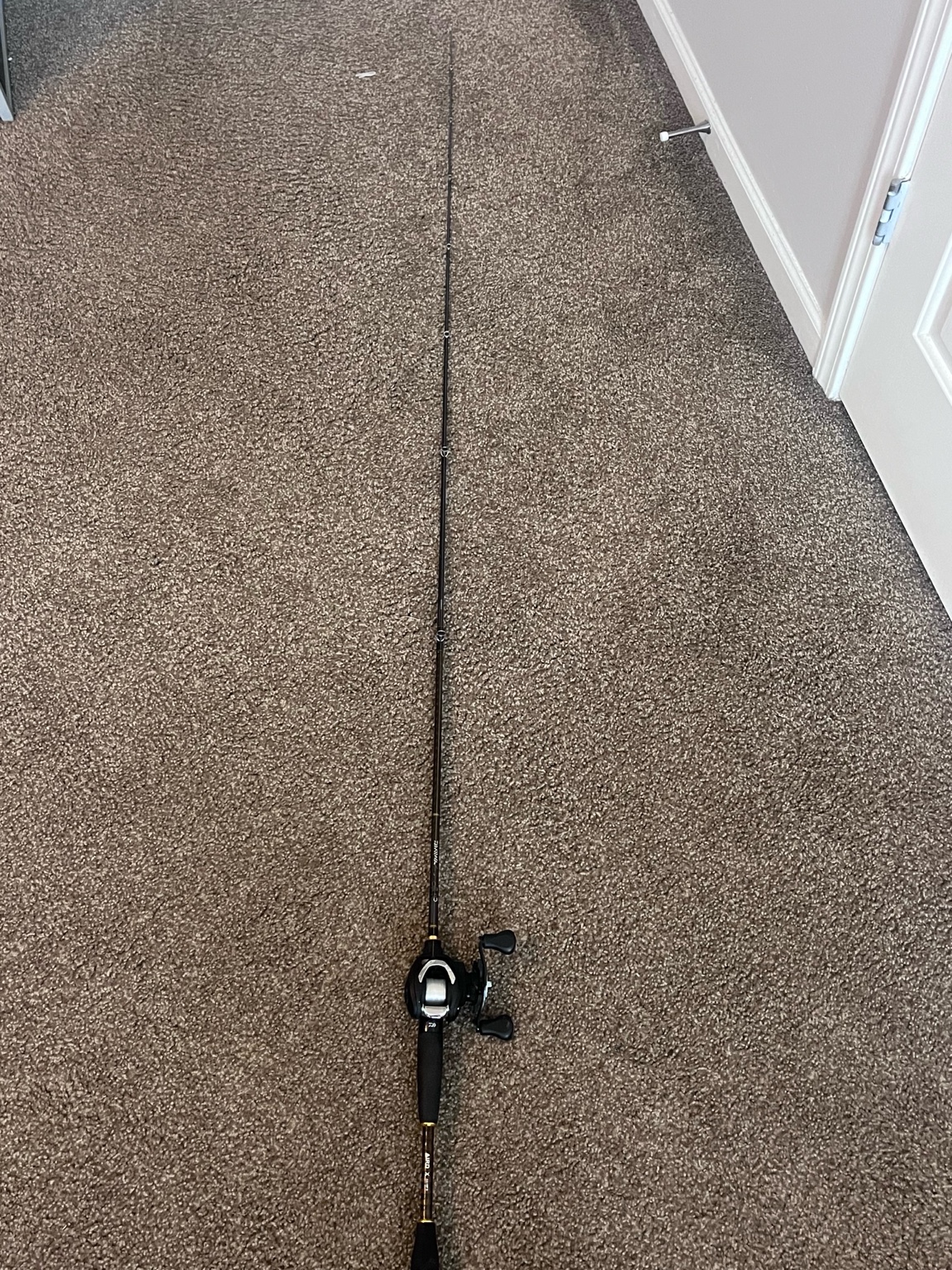
This is my exact setup for the salmon run: a 17 lb baitcaster with 15 lb line and a Daiwa reel. It’s built to handle the power of these fish — anything lighter risks snapping and causing more harm to the salmon.
Tips for Beginners:
If you’re new to salmon fishing in Michigan, these tips should come in handy when you’re trying to catch one of these fish. The run can be intimidating, but a few simple tips will help you get the most out of your first trip:
-
Mind your footing: Rocks and riverbeds are slippery. Wear waders with good grip to avoid slipping and help stay warm.
-
Start simple with gear: A medium-heavy rod and 15–20 lb line is plenty to begin with. You don’t need the most expensive setup — just reliable equipment you trust. Check out your local bait shop and ask for some help they usually give great advice.
-
Time it key: Salmon are most active at dawn and dusk, so plan your trip around low-light hours for the best shot at success.
-
Respect other anglers: Popular rivers and dams can get crowded. Give people space and remember — the river belongs to everyone.
-
Stay patient: Some days the salmon don’t bite right away. The run comes in waves, and patience often pays off with the fight of a lifetime.
-
Fish with a buddy: Having a friend along isn’t just fun — it’s safer, especially if you’re wading into fast-moving water.
- Presentation is everything: If you are planning on using spawn sacs make sure you present it as naturally as you can casting it up stream and letting it drift down. If you want to cover a lot of water use spinners, they are flashy and trigger strikes reeling at a steady medium pace.
Michigan’s salmon run is more than just a fishing season — it’s a natural event that transforms our rivers into highways of life and death. From the scene of salmon leaping at Croton Dam to the thrill of reeling in a King, the run is a reminder of just how beautiful Michigan is.
This fall, I encourage you to not just read about it — go experience it. Whether you’re an angler looking for a fight or someone who simply wants to stand on a riverbank and watch nature in motion, the salmon run is now. Respect the fish, respect the water, and join the thousands of people who make this migration part of their own fall tradition.